- Home
- /
- Electrician Clevedon
Clevedon
Electrician
Clevedon & North Somerset
Clevedon Electric is a qualified, insured electrician based in Clevedon, BS21. Consumer unit upgrades, EV chargers, smart home systems, outdoor electrics, fault finding and EICRs. Honest advice. No upselling.
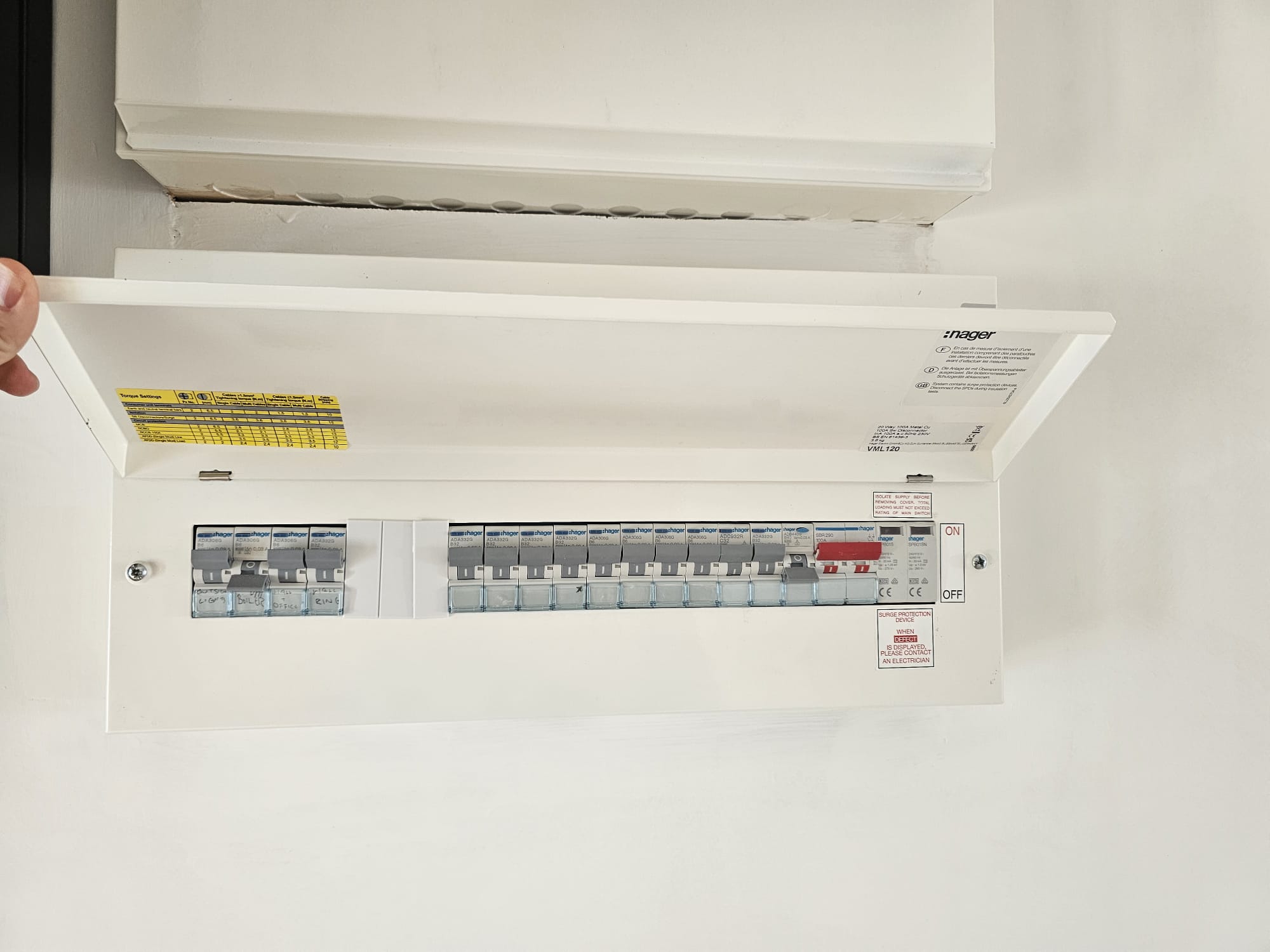
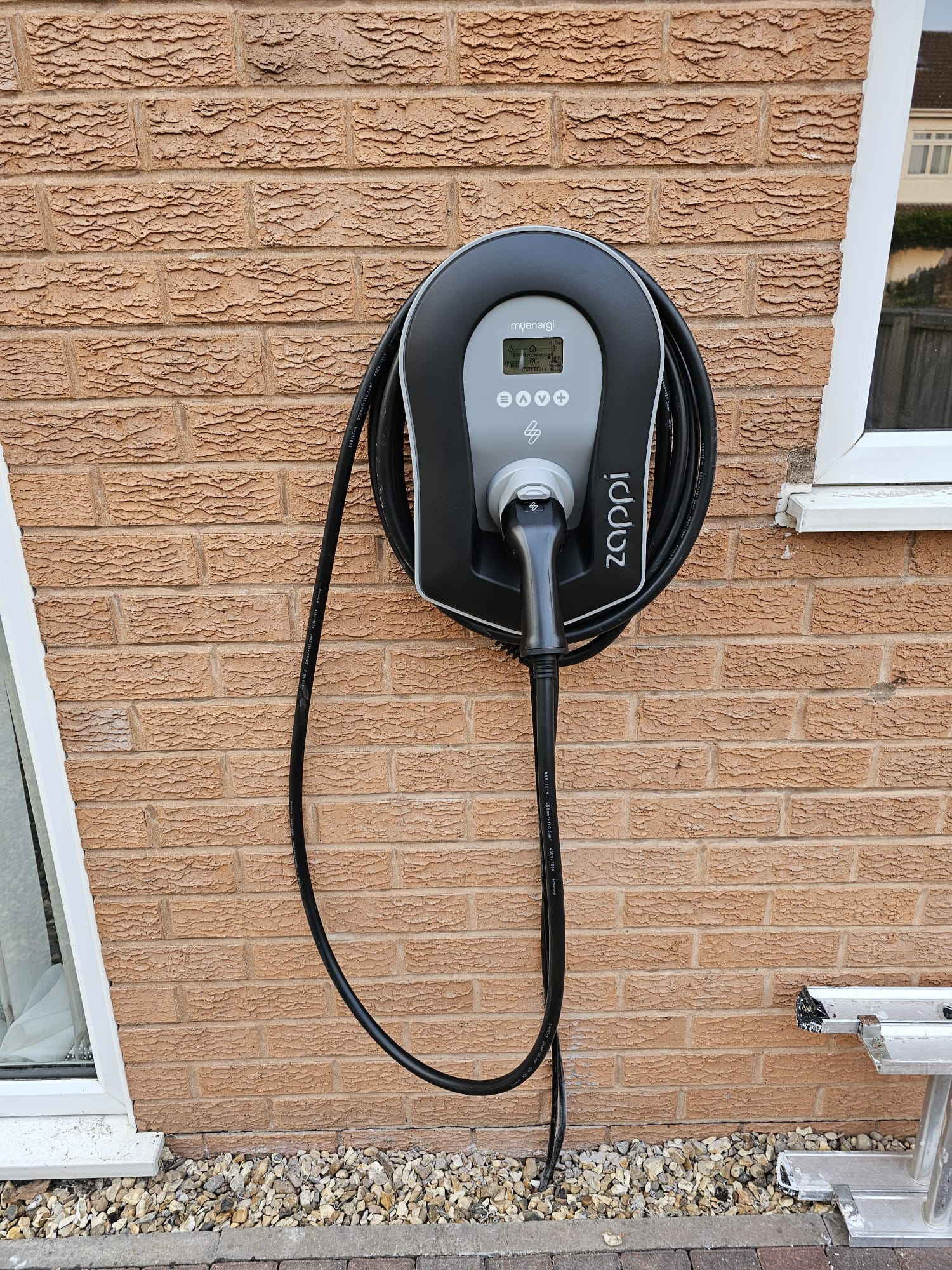
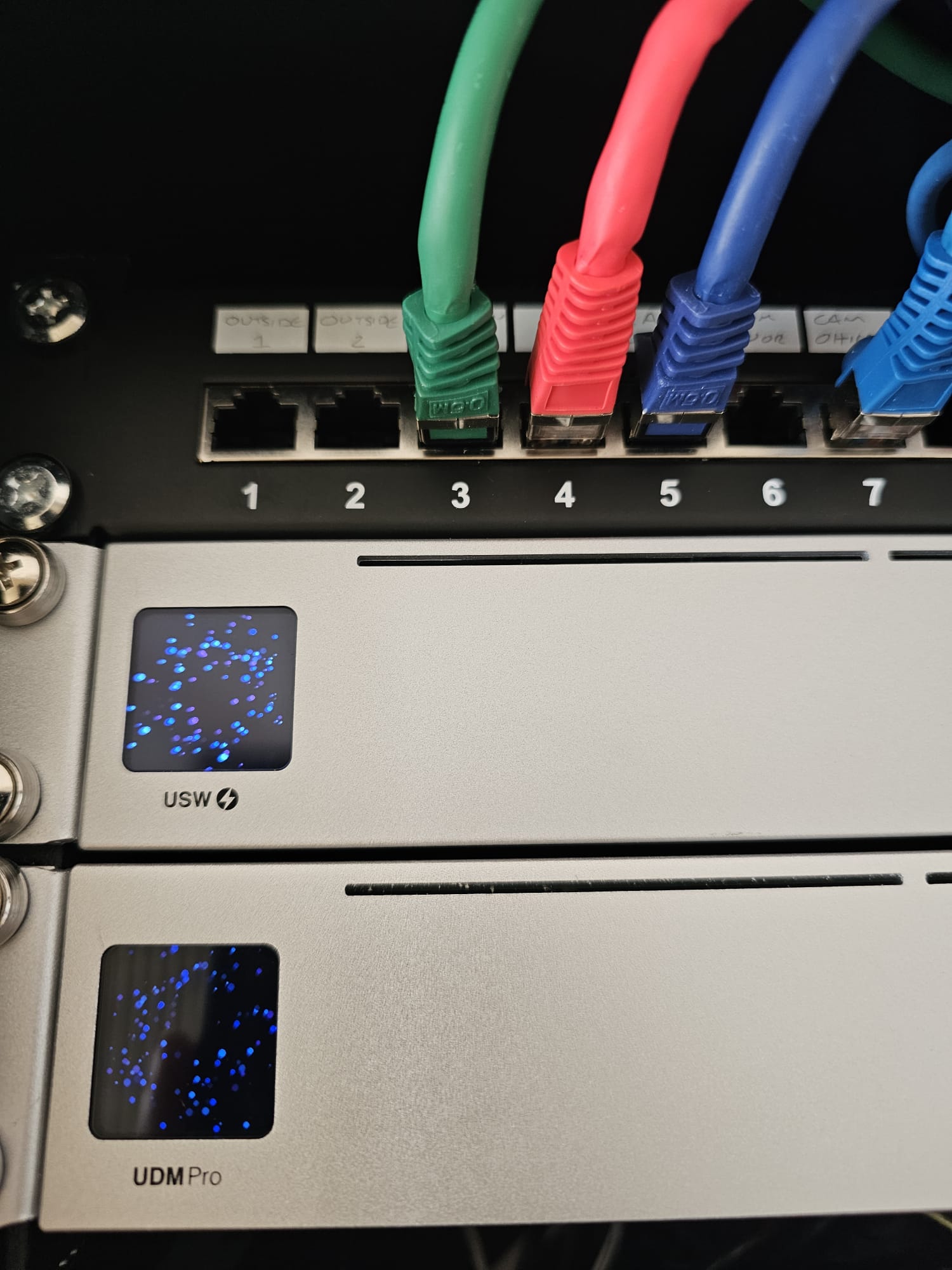
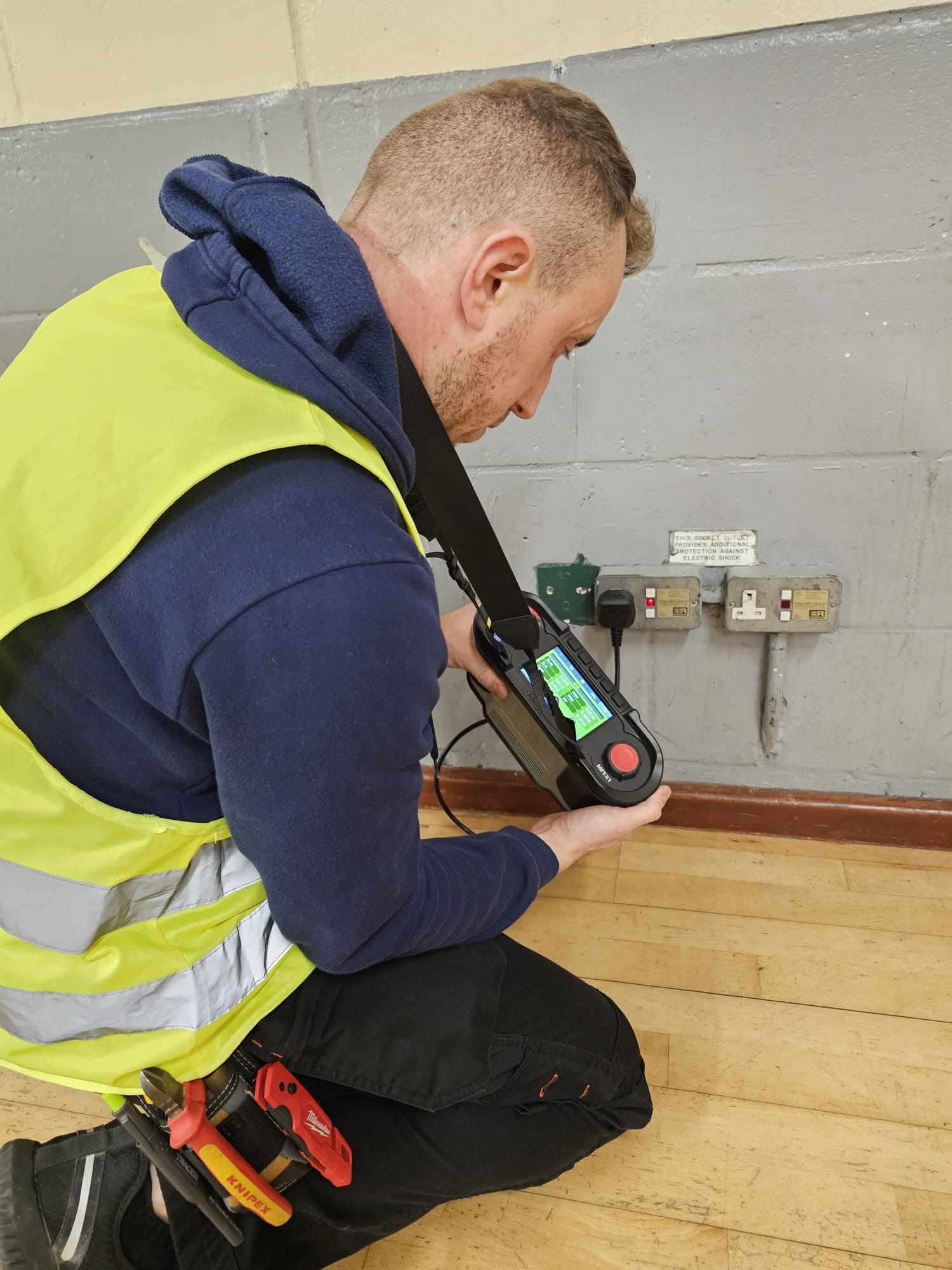
Electrical Work Carried Out Across Clevedon
Domestic and small commercial work across BS21 and North Somerset — from fault finding and repairs to full consumer unit replacements and EV charging systems.
Details →
Details →
A Clevedon Electrician Who Knows the Area
There is a practical difference between hiring a local electrician and booking through a national company that sends whoever is available. Being based in Clevedon means jobs can be reached quickly, estimates can be turned around the same day, and follow-up visits — if ever needed — are never a logistical problem. There is no call centre, no account manager, and no work subcontracted to a third party. You deal directly with the person doing the job, from first message to final certificate.
A significant proportion of homes across Clevedon and the surrounding BS21 area were built in the post-war decades or earlier, and many still have electrical installations that reflect their age. The Victorian and Edwardian terraces around the old town, Hill Road, and Marine Parade often have wiring that predates modern standards entirely. The mid-century semis on the estates to the east and south of town frequently have plastic-cased consumer units, shared RCD protection, and no surge protection — all of which fall short of current BS 7671 requirements. Even relatively recent properties can have boards that are full, poorly labelled, or incompatible with the demands of modern additions like EV chargers and home offices.
Clevedon's coastal position also plays a role. Salt air accelerates corrosion in electrical connections and enclosures, particularly in outdoor installations, garden rooms, and any cable runs near the seafront. This is something that matters when specifying outdoor lighting, outbuilding supplies, or EV chargers — the right materials and enclosure ratings make a significant difference to long-term reliability. Knowing this from working in the area regularly means the right approach is taken from the start, rather than a generic one-size solution.
Whether the job is in a Victorian terrace in the old town, a 1970s semi on one of the larger estates, a newer build on the edge of Clevedon, or a rural property out towards Yatton or Congresbury — the approach is always the same. A clear explanation of what is needed, an honest price, and work that is done properly and certified correctly.
Get in TouchJust outside this area? Get in touch — it's worth asking.
Qualified, Certified,
Based in Clevedon
Clevedon Electric is a sole-trader electrical business based on Walton Road, Clevedon. All work is carried out personally — not subcontracted — by a fully qualified electrician holding the following: BS 7671 18th Edition Wiring Regulations, City & Guilds 2391 Inspection and Testing, Building Regulations Part P (self-certification), City & Guilds 2919 EV Charging Installation, and City & Guilds 2399 PV and Battery Storage. All notifiable work is self-certified under Part P and backed by a full Electrical Installation Certificate. Public Liability and Professional Indemnity insurance is held as standard. Every job — from a single socket to a full consumer unit replacement — is approached with the same attention to detail, the same honest communication, and the same commitment to getting it right first time.
Guide Prices
All prices + VAT unless stated. Final cost confirmed before any work begins.
| 01 | Consumer Unit UpgradeFixed price | Hager metal unit, full RCBO protection, surge protection, testing & full certification. | £880 | + VAT supply & install |
| 02 | EV Charger — Ohme Starter | 7kW smart charger, 10m cable run, electrical certificate, DNO G98, app setup. | £995 | inc. VAT fully fitted |
| 03 | EV Charger — Zappi v2.1 | Solar-divert ready, 15m cable, smart tariff optimisation, 3-year warranty. | £1,145 | inc. VAT fully fitted |
| 04 | Fault Finding | Systematic diagnosis of tripping circuits, failed sockets, and intermittent faults. | £85 | + VAT per hour |
| 05 | Outbuilding Power Supply | 10mm armoured cable over 25m, internal consumer unit. Groundworks priced separately. | £740 | + VAT |
| 06 | Smart Home (Shelly / HA) | 4 Shelly Pro relays connecting 8 existing circuits. Design and fitting only. | £315 | + VAT design & fit |
Common Questions
If your question isn't here, get in touch directly — a straight answer is always provided, usually the same day.
07758 159451How do I get a quote from an electrician in Clevedon?+
How much does an electrician cost per hour in Clevedon?+
Are you a qualified electrician?+
What electrical work requires Building Regulations notification in Clevedon?+
How do I know if my home's wiring needs replacing?+
Can I do my own electrical work in the UK?+
What is an EICR and when do I need one?+
Do you carry out electrical work for landlords in Clevedon?+
Do you cover emergency electrical call-outs in Clevedon?+
How quickly can you get to a job in Clevedon?+
Do I need a new consumer unit before getting an EV charger in Clevedon?+
What is Part P and why does it matter?+
What is the difference between a fuse box and a consumer unit?+
Do you provide a guarantee on your electrical work?+
What should I check before hiring an electrician in Clevedon?+
Ready to Get the Job Done?
Send a message or WhatsApp with details of the job. Most estimates are turned around the same day — no call centres, no sales process.
© Copyright 2026. All Rights Reserved.
Privacy Policy
Terms of Use